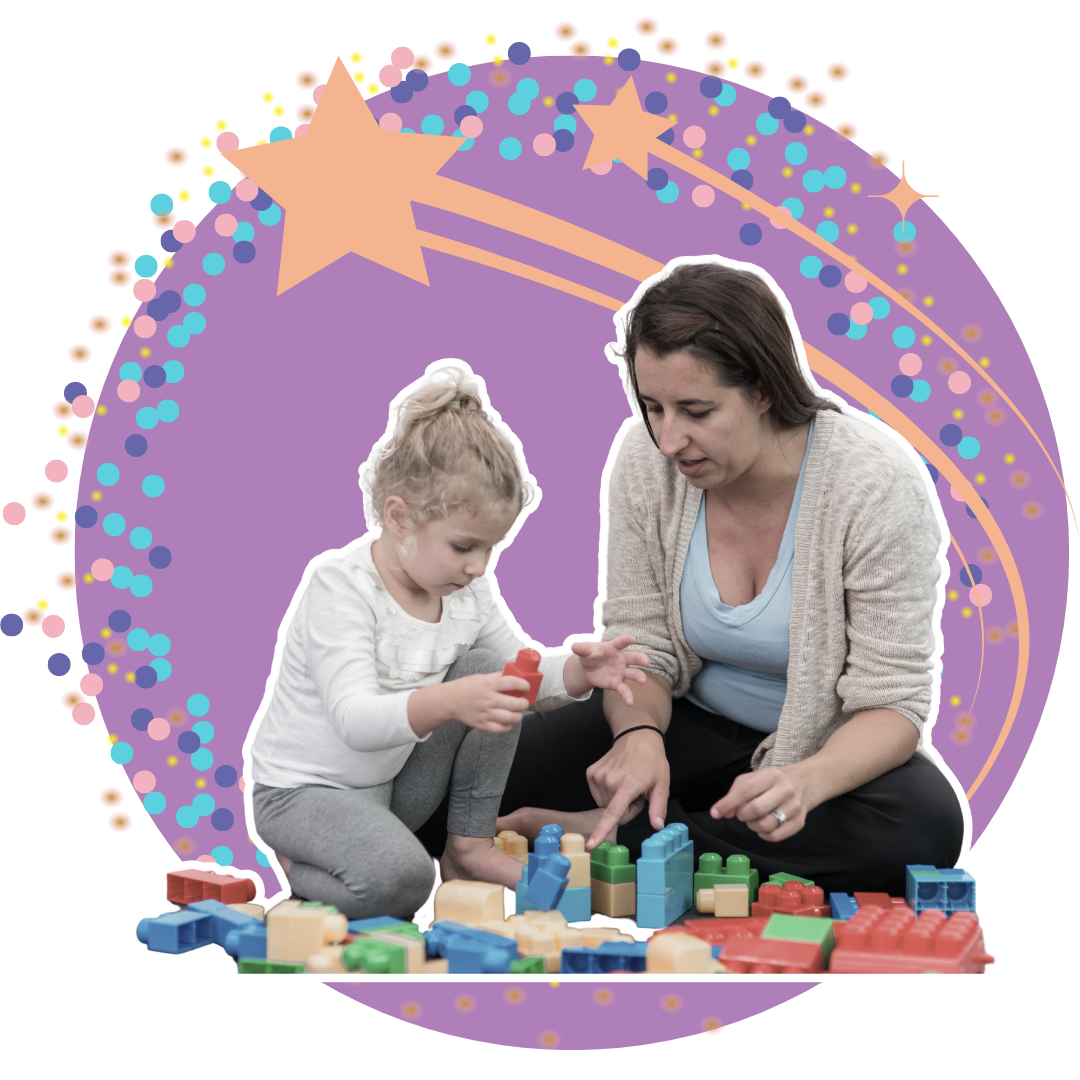
How Occupational Therapists Use Pediatric Massage to Support Sensory Integration
For children with sensory processing challenges, those who feel too much, too little, or differently than others, touch therapy isn’t just a method of calming.
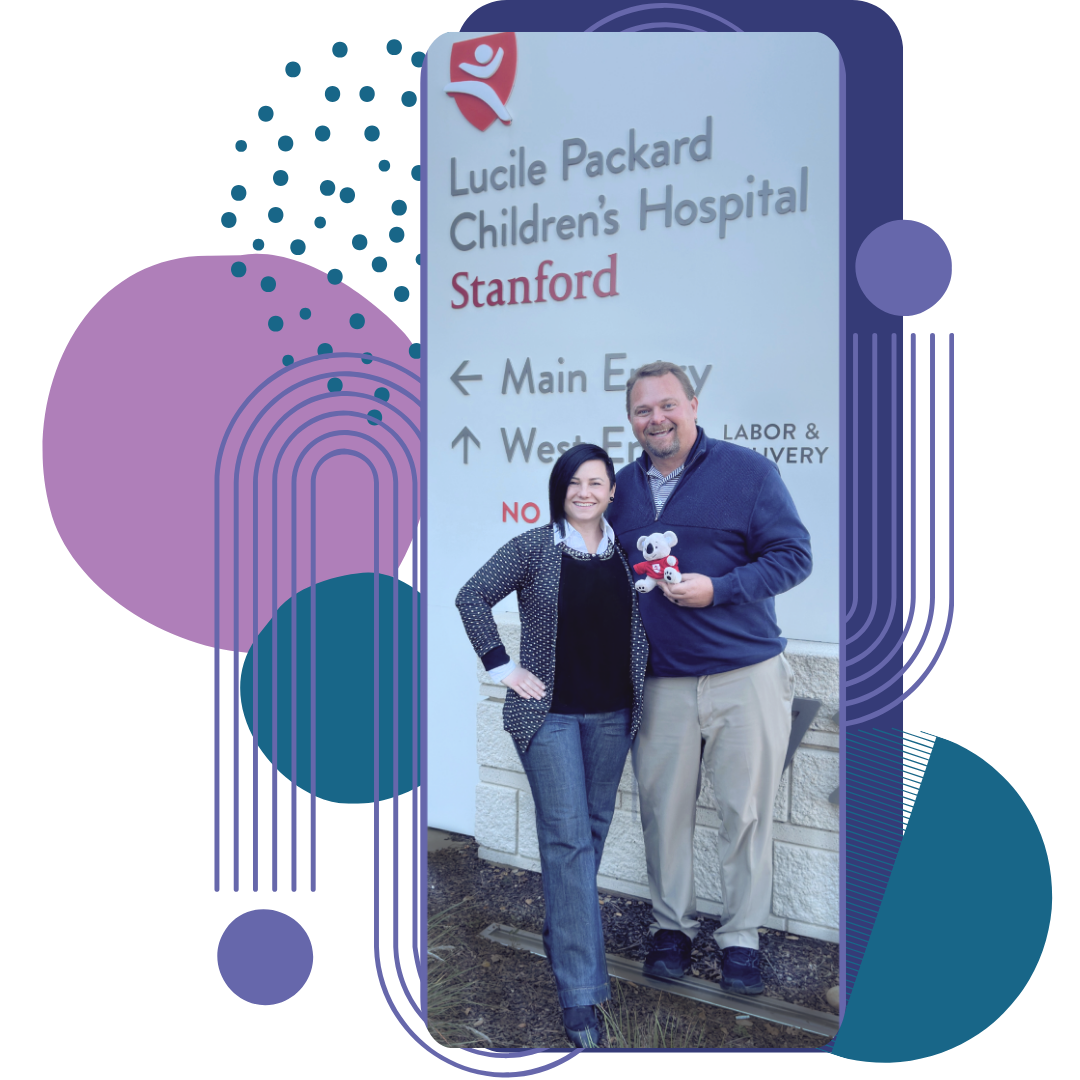
Pediatric Touch Therapy Program Launches at Stanford Medicine & Lucile Packard Children’s Hospital
Stanford launches a powerful new touch therapy program supporting children and families through every step of care.
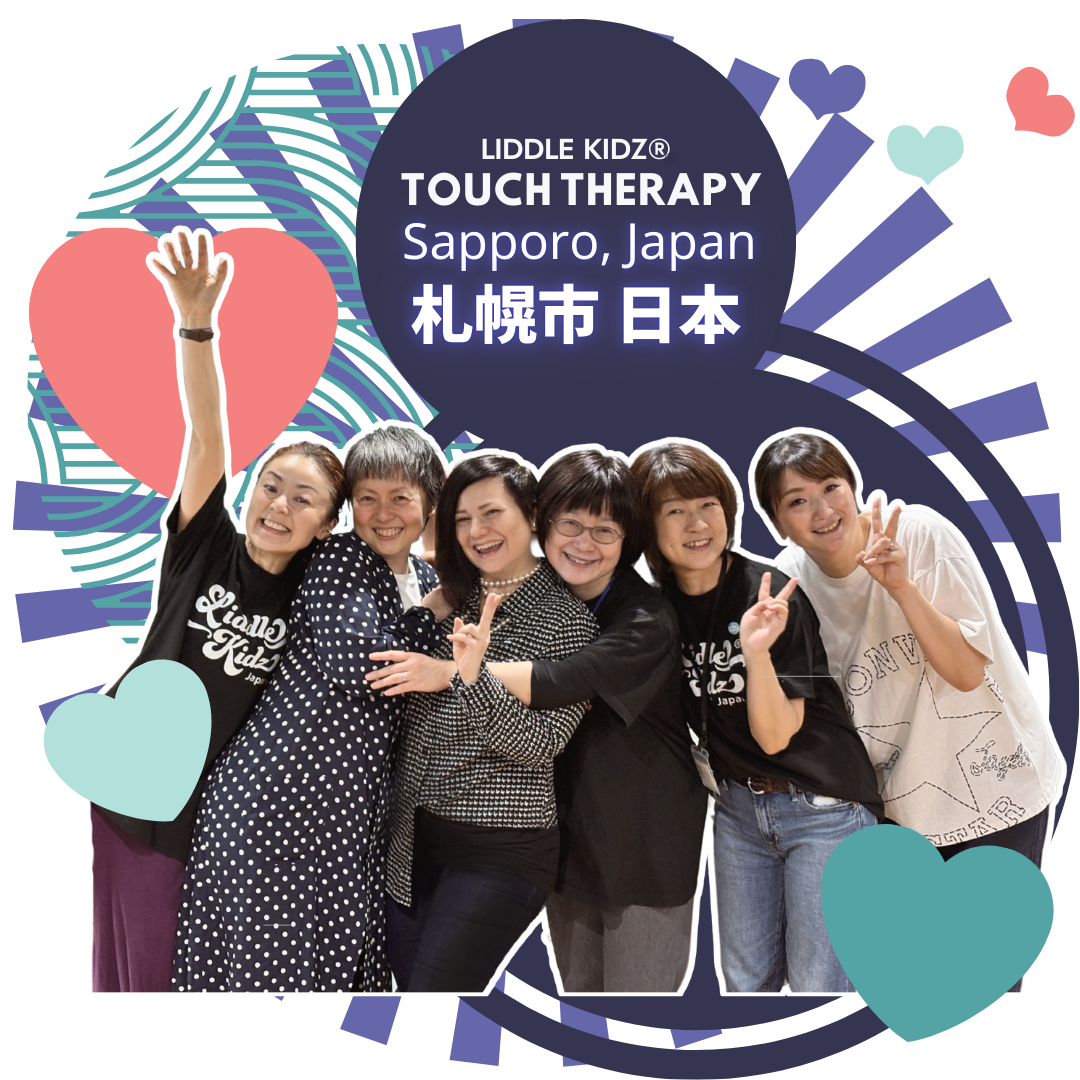
Advancing Pediatric Healthcare in Japan: Touch Therapy Training Reaches Sapporo Hospitals
With leading hospitals and dedicated professionals, our Sapporo programs marked a breakthrough moment for integrative pediatric medicine in Japan.
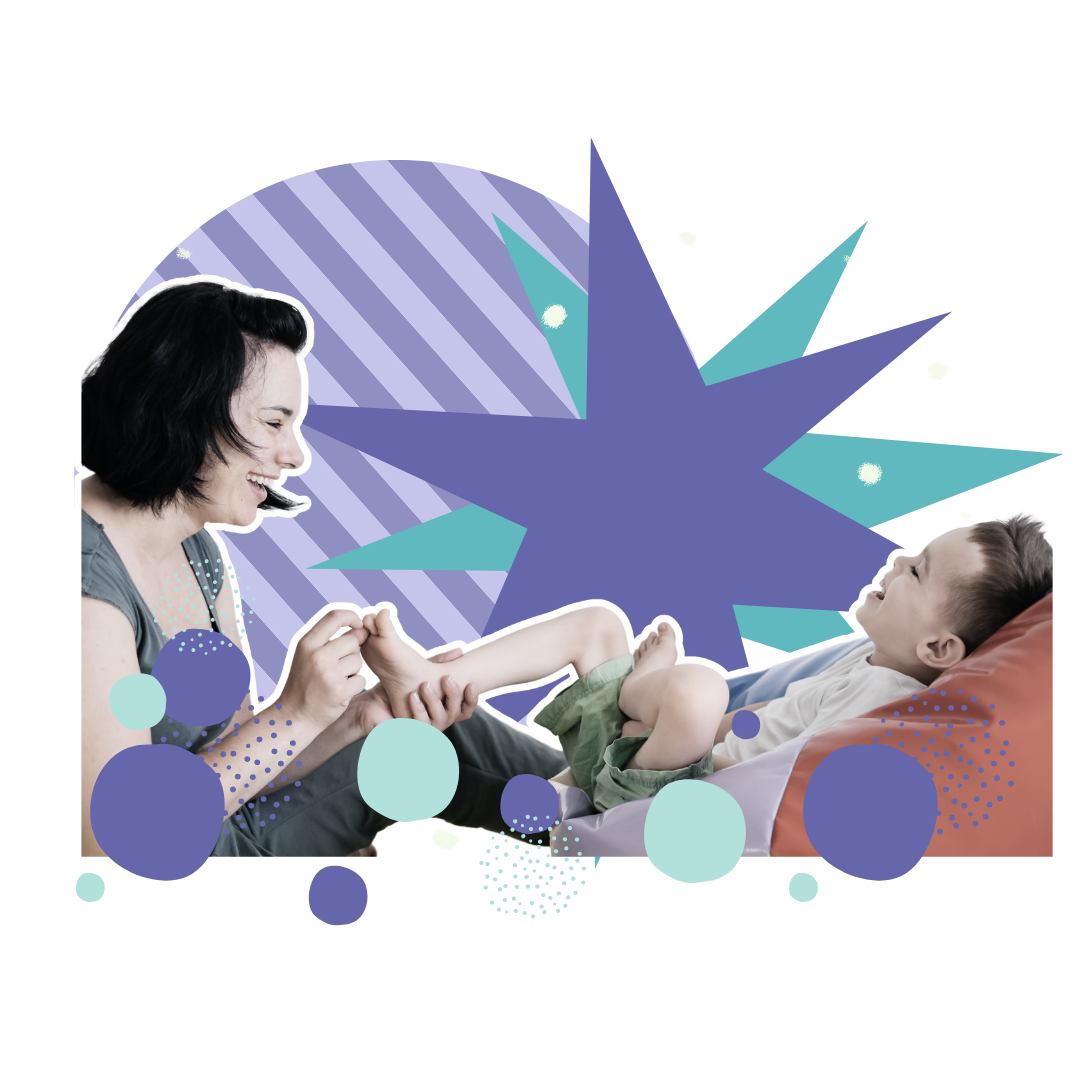
Top 7 Pediatric Massage Tools You Can Actually Skip
When it comes to working with children, simpler is often better.
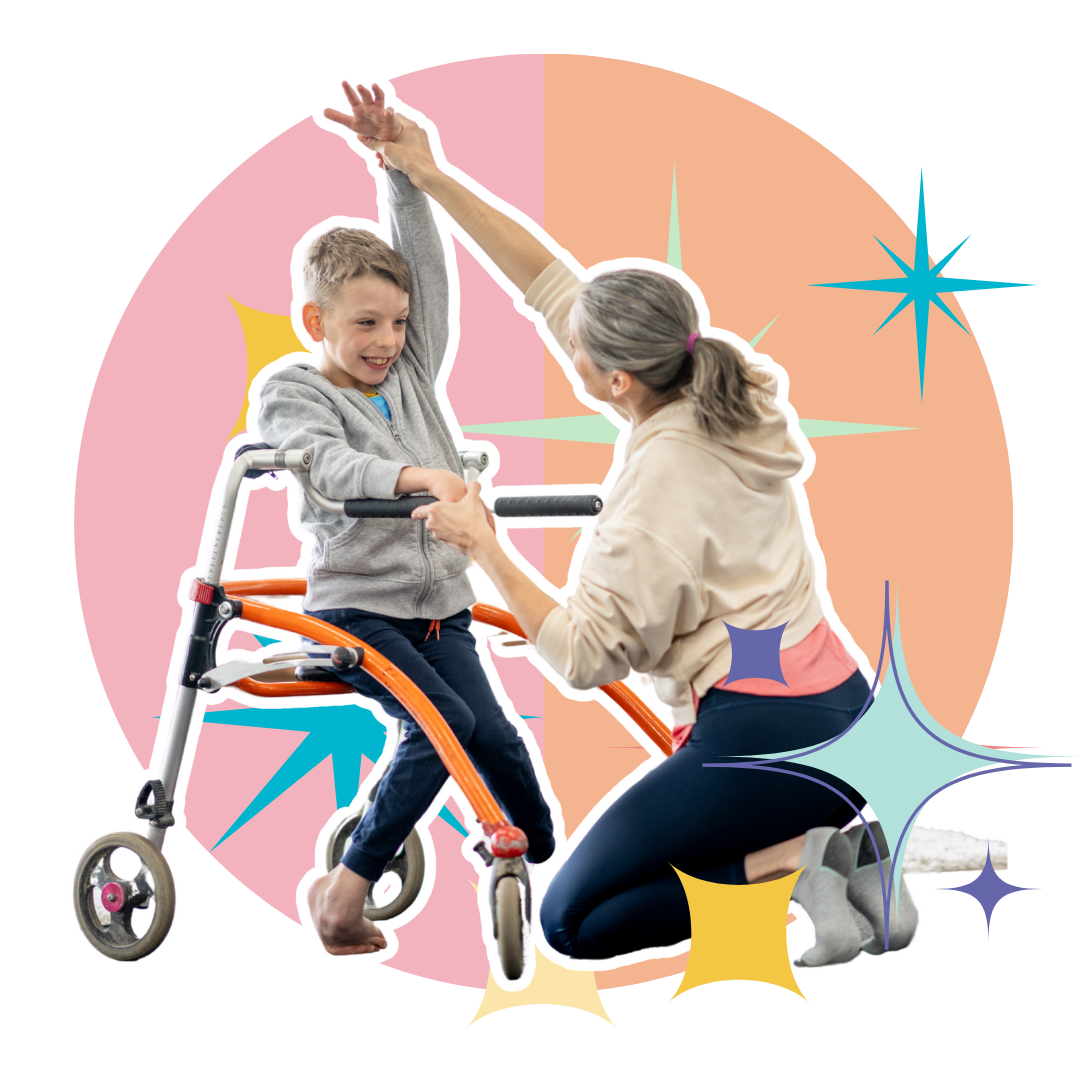
Pediatric Physical Therapists: Enhancing Motor Function with Touch Therapy
Touch therapy may look simple, gentle pressure, slow techniques, but it lays the foundation for movement in powerful ways.

Supporting Grieving Children with Pediatric Touch Therapy
Grief is not linear. And for children, it’s especially layered.
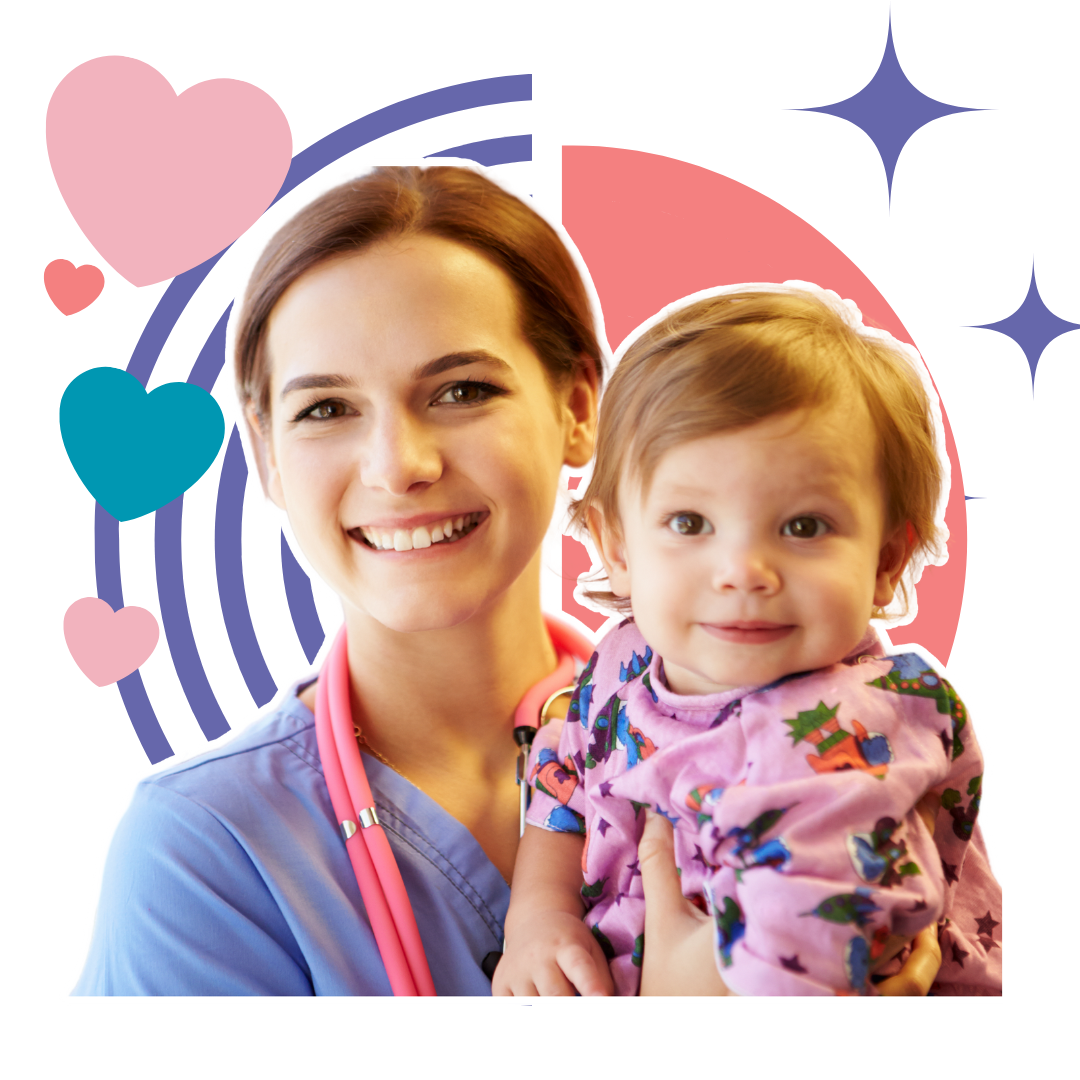
Why Nurses Are Embracing Pediatric Touch Therapy in Every Setting
One reason nurses embrace touch therapy is because it builds on what they already do so well, connecting with patients.
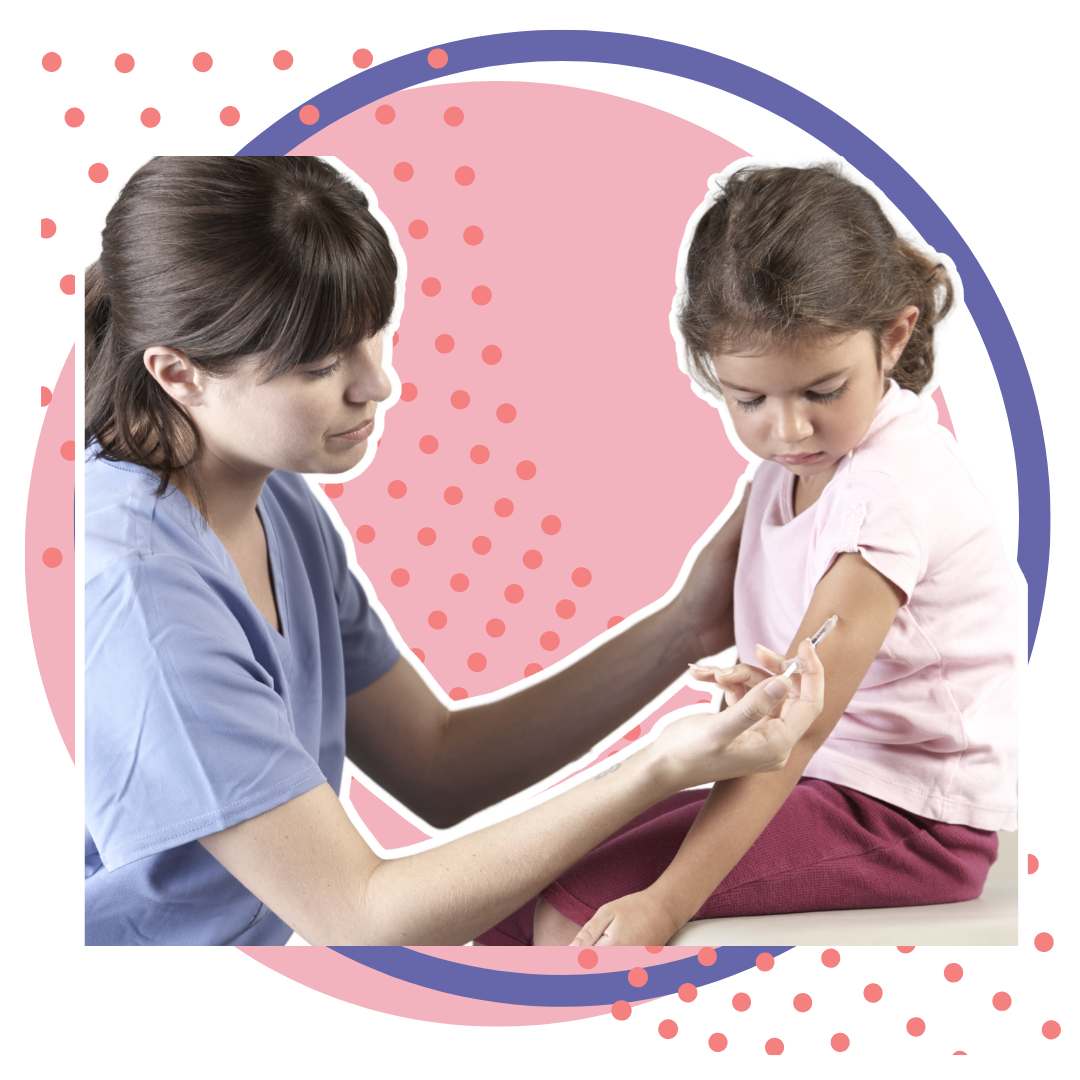
Helping Children Feel Safe: How Pediatric Touch Therapy Can Support Medical Visits and Vaccinations
Whether it’s a routine check-up, a vaccination, or something more complex — medical visits can feel overwhelming for children.

Pediatric Massage for Children with Sickle Cell Disease: A Complementary Approach to Comfort and Care
Touch therapy offers a complementary approach that is gentle, non-pharmacological, and tailored to the child’s physical and emotional state.
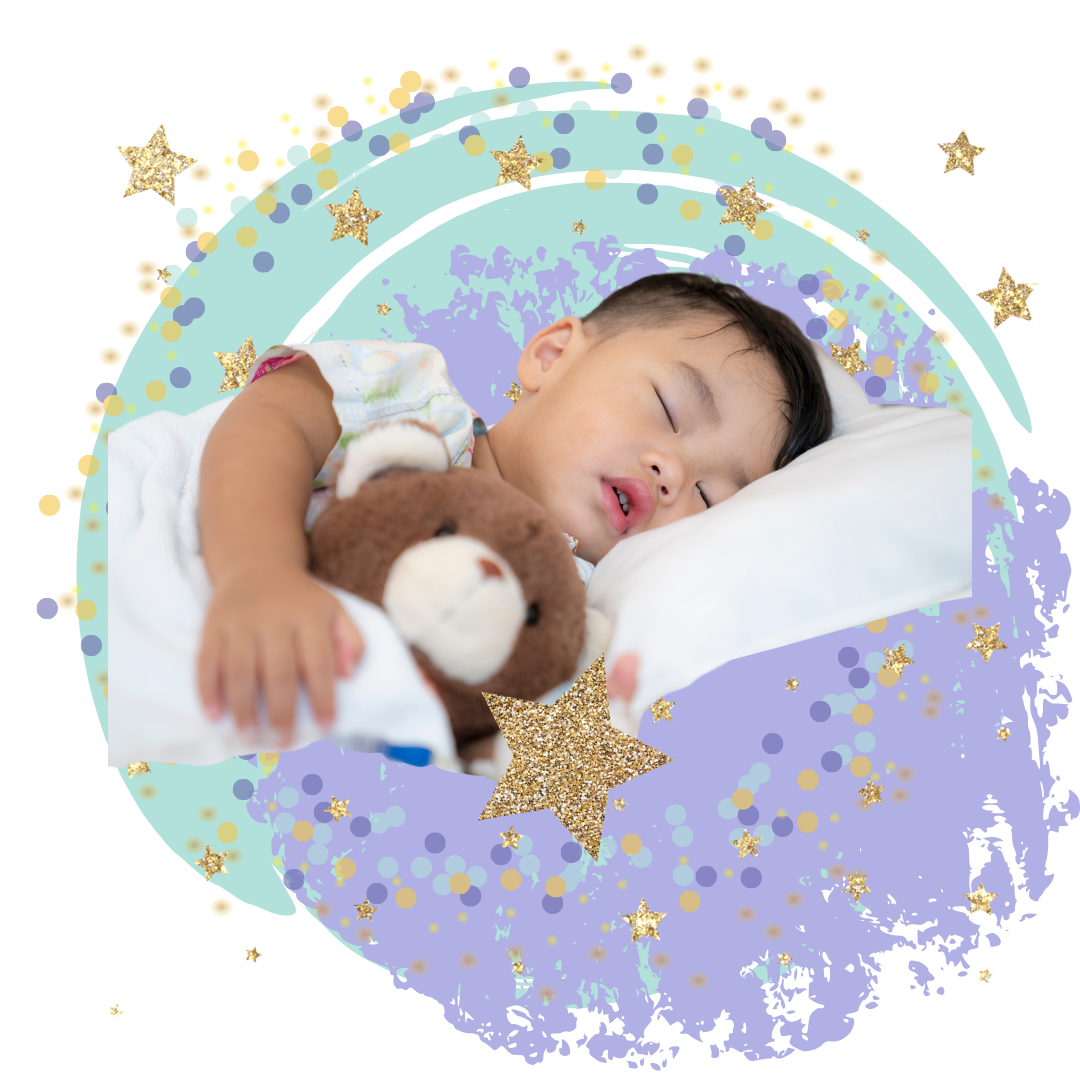
Rest at Last: How Pediatric Touch Therapy Helped One Child (and His Mom) Sleep Again
Not every child’s sleep story looks the same. Some have sensory sensitivities. Others may be managing medical conditions or emotional challenges. What’s important is that caregivers feel empowered, not helpless, in the face of these struggles.