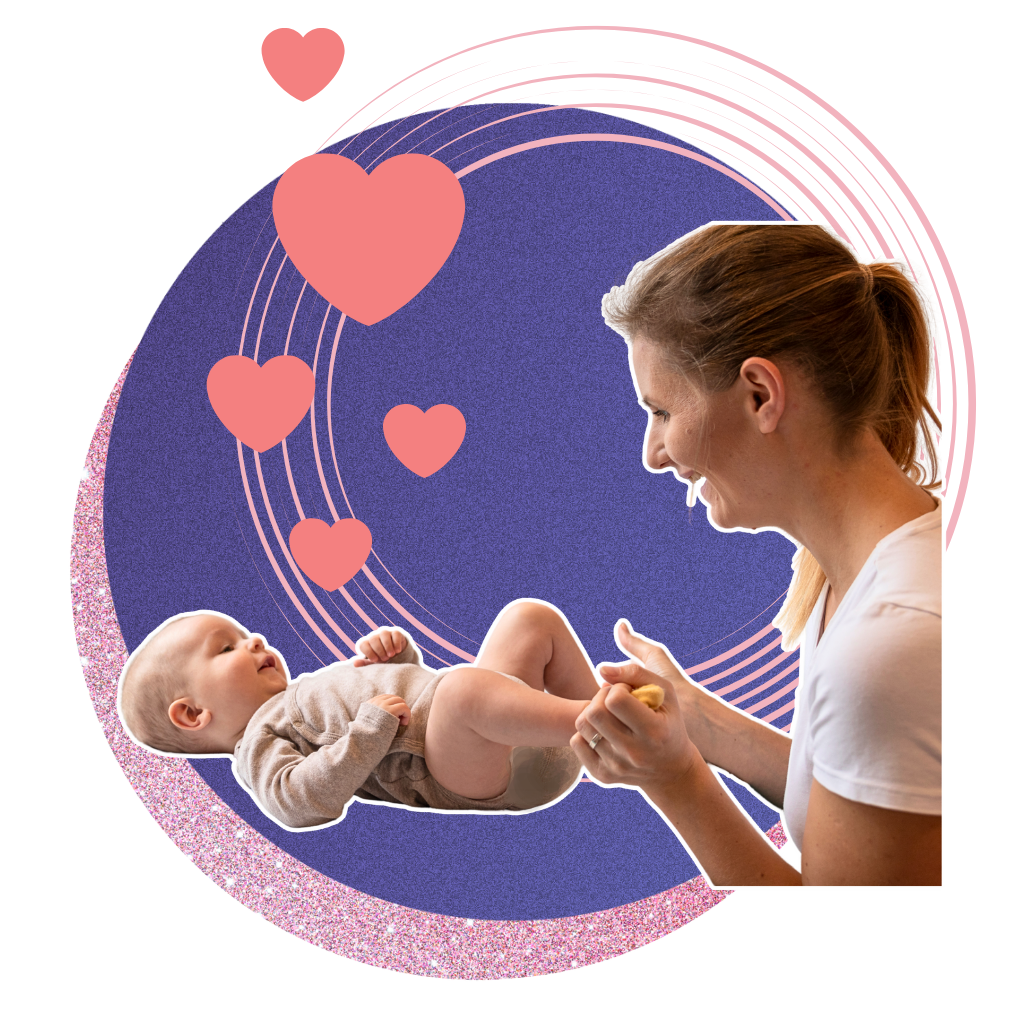
One of the most rewarding moments in my work isn’t when I’m offering Touch Therapy myself, it’s when I’m teaching a parent to do it.
Watching a mother or father shift from feeling nervous to empowered as they gently massage their baby is something I never tire of. It reminds me every time: Touch Therapy is not only about technique, it’s about connection.
Am I Doing It Right?
This is the question I hear most from new parents when I introduce infant massage. And it’s a valid one. For a caregiver, especially of a newborn or preterm infant, the fear of doing harm can feel overwhelming.
But with the right guidance, those fears melt into confidence. My approach is simple:
• I teach slowly, with clear, repeatable steps.
• I demonstrate with respect, then encourage them to try.
• I create space for questions—and permission for imperfection.
Building Confidence, One Technique at a Time
I remember working with a mother in a postnatal clinic in Thailand. Her son had difficulty sleeping, and she hadn’t held him much since birth.
“I thought maybe I didn’t have the right touch,” she said.
But as she gently glided her hand on his legs using what I taught her, he relaxed, then fell asleep for the first time in a full day.
“I feel like I finally did something right.” – *Somsri , mother of newborn Niran.
That’s what it’s all about, not perfect technique, but intentional care.
Communication Through Touch
Infant massage is more than physical, it’s a conversation. Every movement is a message:
• “You are safe.”
• “I see you.”
• “I’m here.”
When parents begin to recognize their baby’s responses, tiny muscle releases, relaxed breathing, widened eyes, it becomes a two-way dialogue.
We don’t need to speak the same language as a baby. We speak through presence, pressure, pace, and pause.
Teaching Care with Care
When I train professionals in how to teach parents, I emphasize three pillars:
1. Modeling without judgment – Demonstrate with calm and clarity.
2. Inviting, not instructing – Use language that encourages choice and agency.
3. Cultural sensitivity – Acknowledge traditional practices and build from there.
Touch Therapy must always respect the family’s values, not override them.
What Parents Gain
• A sense of competence
• A tool to ease tummy troubles, gas, and fussiness
• A stronger bond with their baby
• A deeper understanding of non-verbal cues
• A daily ritual of presence
Every parent deserves to feel that they can comfort and connect with their baby
Infant Massage isn’t just something we do for the baby. It’s something we give to the parent as well, a chance to truly be part of their child’s early journey in a hands-on, meaningful way.
*Name changed to protect privacy.