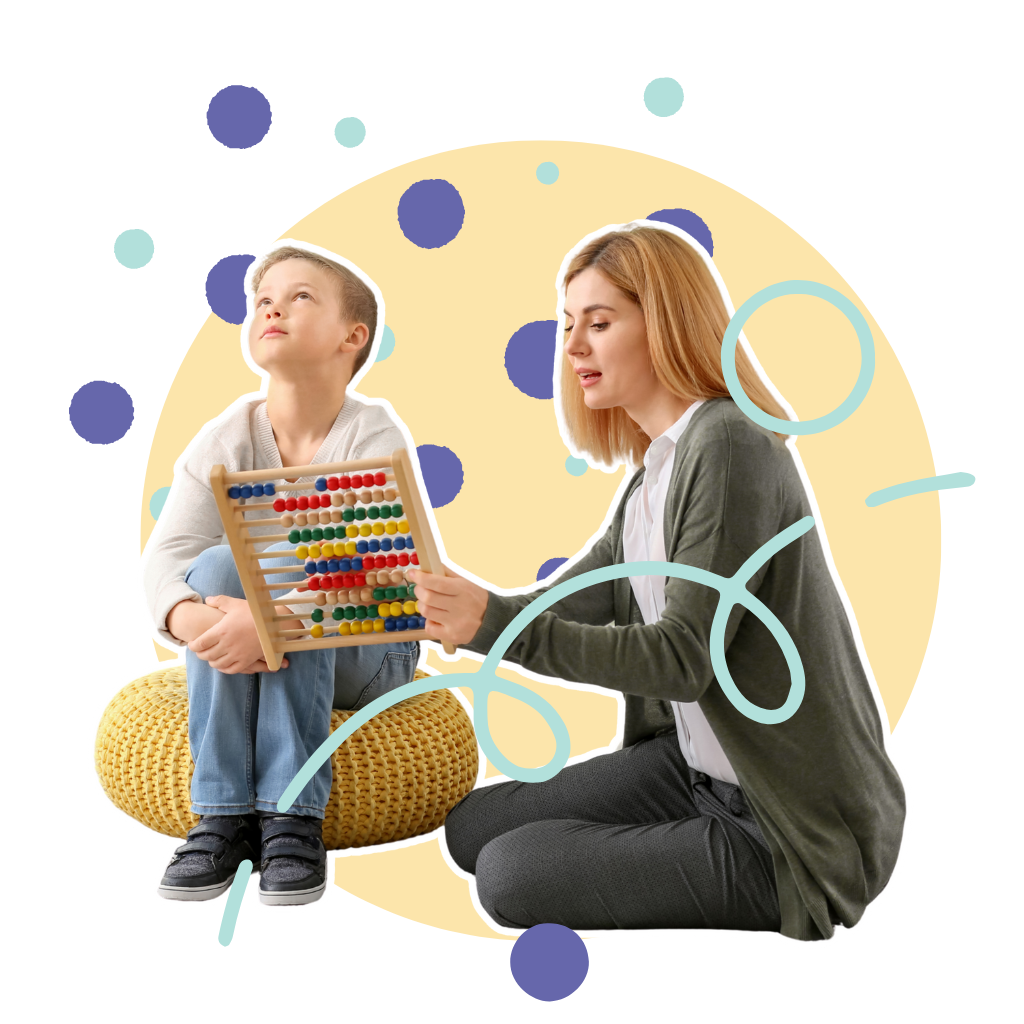
If you’ve ever worked with or parented a neurodiverse child, you already know: every child’s needs are different, and they can change from moment to moment.
This is exactly why Pediatric Massage Therapy can be such a powerful part of support. When delivered with respect, flexibility, and skill, it becomes a way to meet children where they are, not where we expect them to be.
What Does “Neurodiverse” Mean in This Context?
Neurodiversity includes a range of neurological differences such as:
• Autism Spectrum Disorder (ASD)
• Attention Deficit Hyperactivity Disorder (ADHD)
• Sensory Processing Differences
• Learning Differences
• Developmental Coordination Disorder
These children may experience heightened or diminished responses to sensory input—including touch. But that doesn’t mean they can’t benefit from intentional, appropriate Touch Therapy.
Individualized Approach = Meaningful Outcomes
The key is this: Pediatric Massage Therapy must be individualized.
There is no standard protocol for every neurodiverse child.
Some children may prefer firm pressure, others light. Some may benefit from deep proprioceptive input, others from gentle rhythmic patterns. The child always leads the process, we follow their cues.
When done correctly, the results can be incredible:
• Improved body awareness
• Reduced anxiety and repetitive behaviors
• Enhanced regulation of mood and attention
• Greater comfort in social or educational settings
A Story from the Field
I worked with a young boy, who had been diagnosed with ASD and strong sensory aversions. He wouldn’t tolerate grooming, avoided most touch, and struggled with focus.
Rather than starting with the session on a massage table, we began seated on a colorful yoga mat, using a soft ball to apply gentle pressure on his arms and back. Over several sessions, he allowed more contact, and eventually requested massage before school because it helped him “feel calm.” “It’s the first time he’s asked to be touched in years,” his mom told me. – Jennifer, mother of 8-year-old Daniel.
Supporting Parents and Professionals
Working with neurodiverse children means supporting their caregivers, too. Many parents feel unsure of what’s “okay” or helpful. Pediatric Massage Therapy training teaches professionals how to:
• Assess a child’s readiness and preferences
• Offer choices that give control back to the child
• Equip parents with at-home strategies
• Respect sensory profiles and communication styles
In Educational and Therapeutic Settings
I’ve seen therapists, teachers, and aides integrate Touch Therapy into daily routines with outstanding results, sometimes as short as 5 minutes before transitions or after high-energy activities.
It’s not about changing who the child is. It’s about supporting how they experience the world.
Touch Therapy for neurodiverse children is not a cure, it’s another option in our tool-kit.
One that, when used thoughtfully and respectfully, can create a safe and empowering space for children to regulate, connect, and grow.
And when we train caregivers and professionals to use that tool well, we expand what’s possible, for everyone involved.
*Name changed to protect privacy.